
Make important messages easier to understand, remember, and use.
Custom illustrated visual communication systems for training, culture, safety, onboarding, public education, and internal change initiatives.
For organizations, agencies, and teams that need people to understand something clearly enough to act on it.
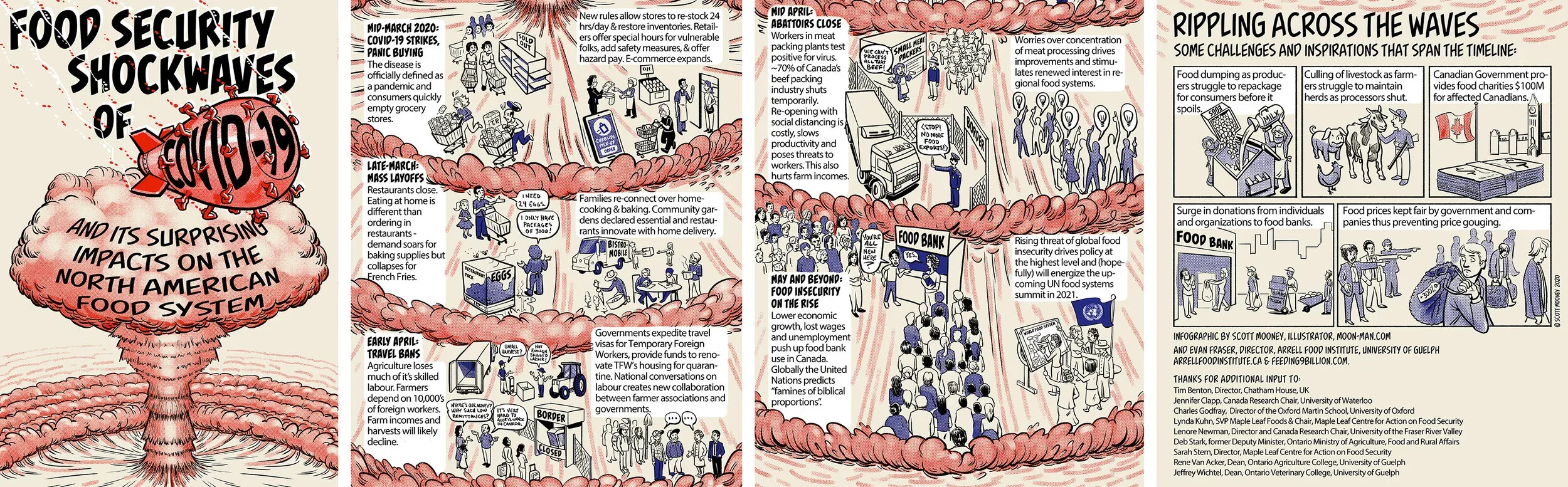
A system people can see
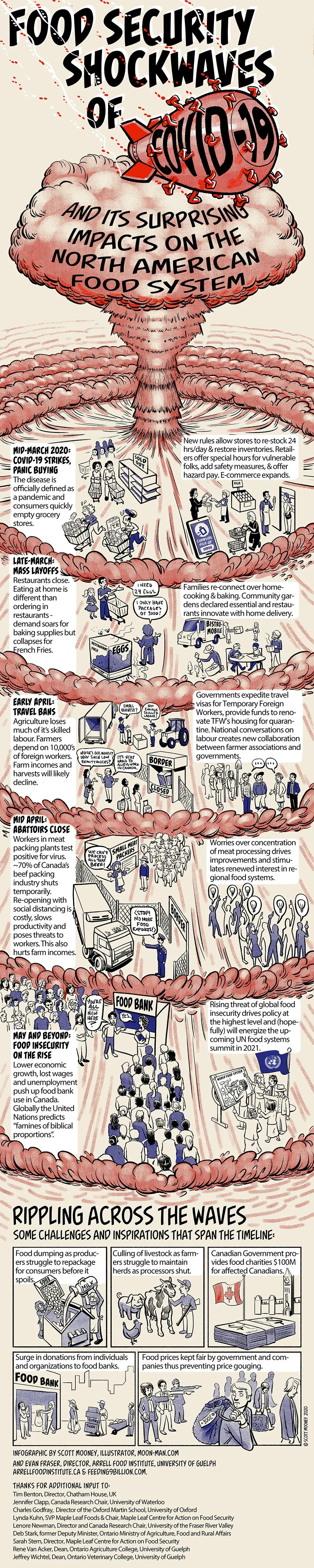
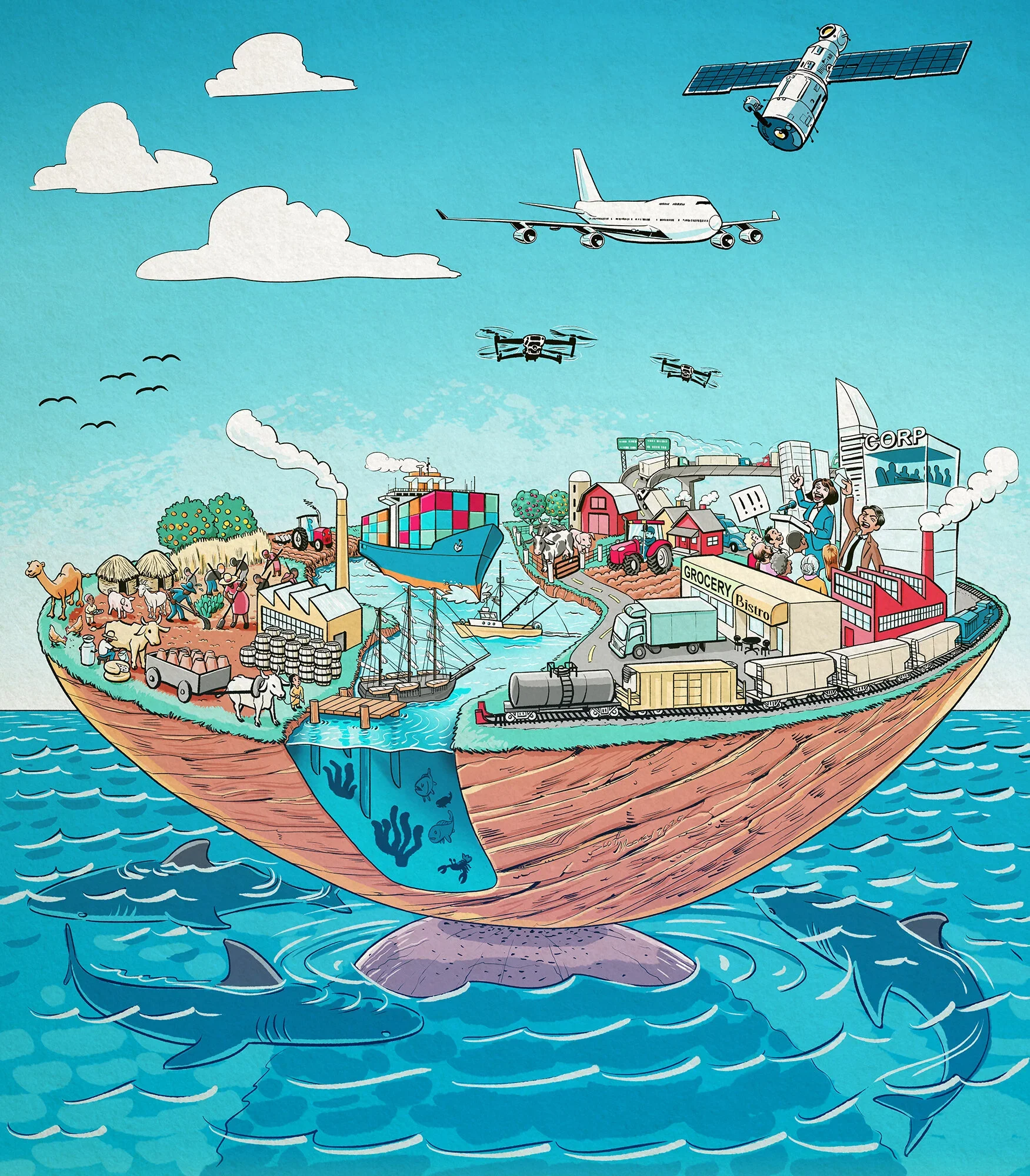
A complex idea turned into an illustrated communication tool that helped people understand the moving parts. Food Security and COVID-19 Infographic, Horizontal Version
Your message matters. But is it landing?
You may already have the content.
The policy exists.
The training exists.
The slide deck exists.
The campaign exists.
The leadership message exists.
But people may still not be seeing it, remembering it, talking about it, or applying it.
That is usually where communication breaks down.
Important ideas often get buried inside dense documents, abstract language, long presentations, scattered emails, or training materials that people complete but do not truly absorb.
The issue is not always the quality of the idea.
Often, the issue is that the idea has not been made visible enough to become useful.
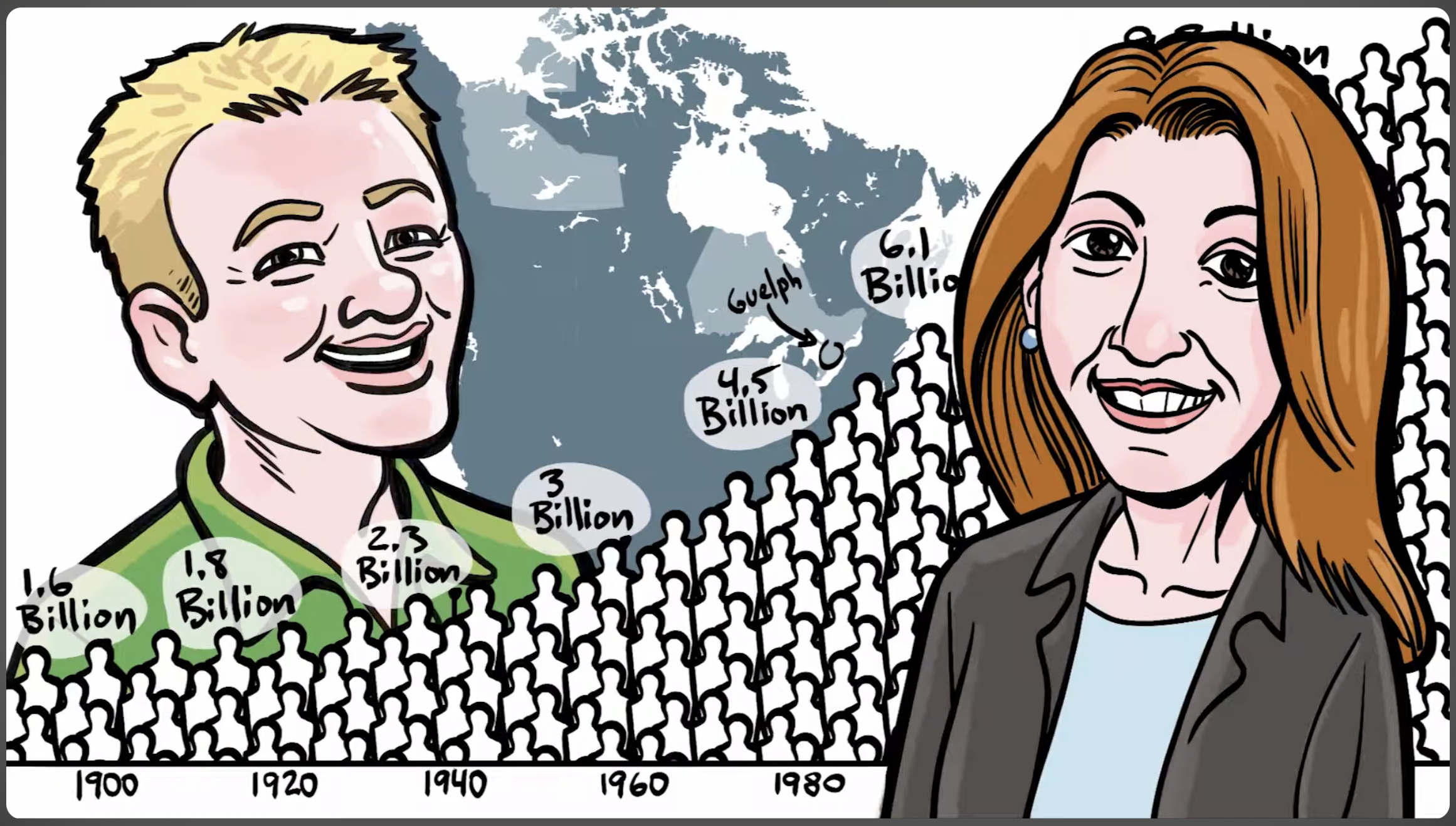
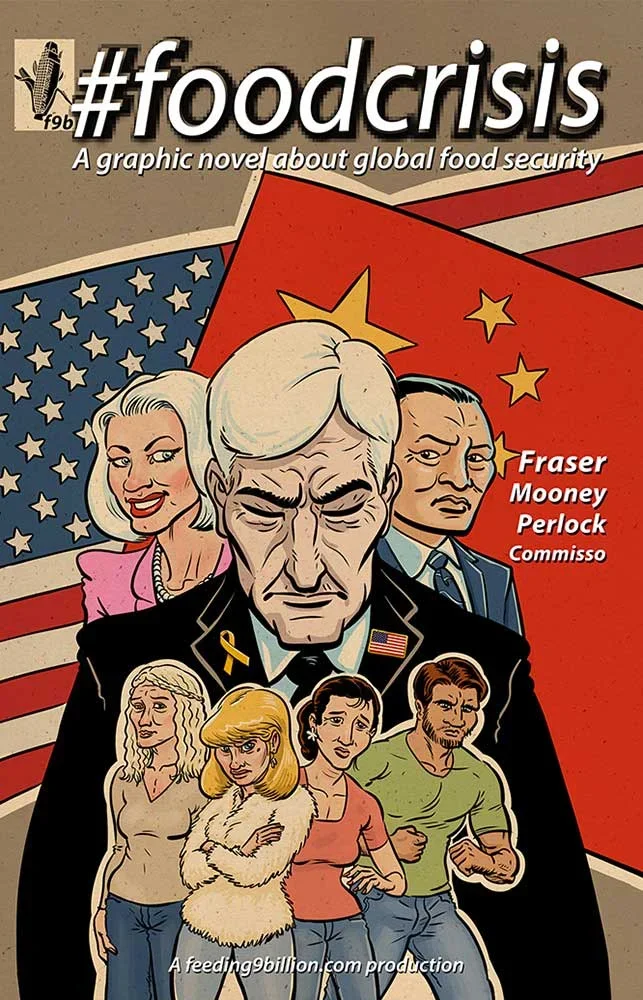
One message, many uses
Core visual ideas can be adapted into presentations, posters, handouts, videos, conversation cards, and internal communications. Eg. Feeding 9 Billion, Global Food Security Education: Infographics, Explainer Videos, Comics, Game Design.
Turn the message into a visual tool.
I help teams turn important messages into illustrated visual tools that people can understand, remember, discuss, and reuse.
Depending on the project, that may become a presentation, poster series, infographic, explainer video, card deck, workshop tool, social content, internal screen content, booklet, handout, or campaign asset.
The goal is not to create one nice illustration.
The goal is to create a visual communication system that helps the message travel.
Who this is for
This is a good fit for teams that need to explain, teach, introduce, reinforce, or change something.
Common clients include:
learning and development teams
internal communications teams
safety and loss prevention teams
HR, culture, and onboarding teams
public education and health communication teams
municipalities and non-profits
design, strategy, and training firms serving these organizations
This is especially useful when the message involves behaviour, process, culture, safety, change, values, or public understanding.
This is not the right fit for quick decorative artwork, generic stock-style visuals, logos, or one-off images with no clear communication purpose.
One visual system. Many useful formats.
A strong visual concept can be reused across many communication channels.
The same core message and visual world can become:
slide decks
posters
infographics
conversation cards
training handouts
workshop materials
social media posts
internal TV screen content
stickers or reminders
booklets
explainer video assets
simple animations
This gives the project more value because your team is not starting from scratch every time the message needs to show up somewhere new.
It also keeps the communication consistent, recognizable, and easier to build on.
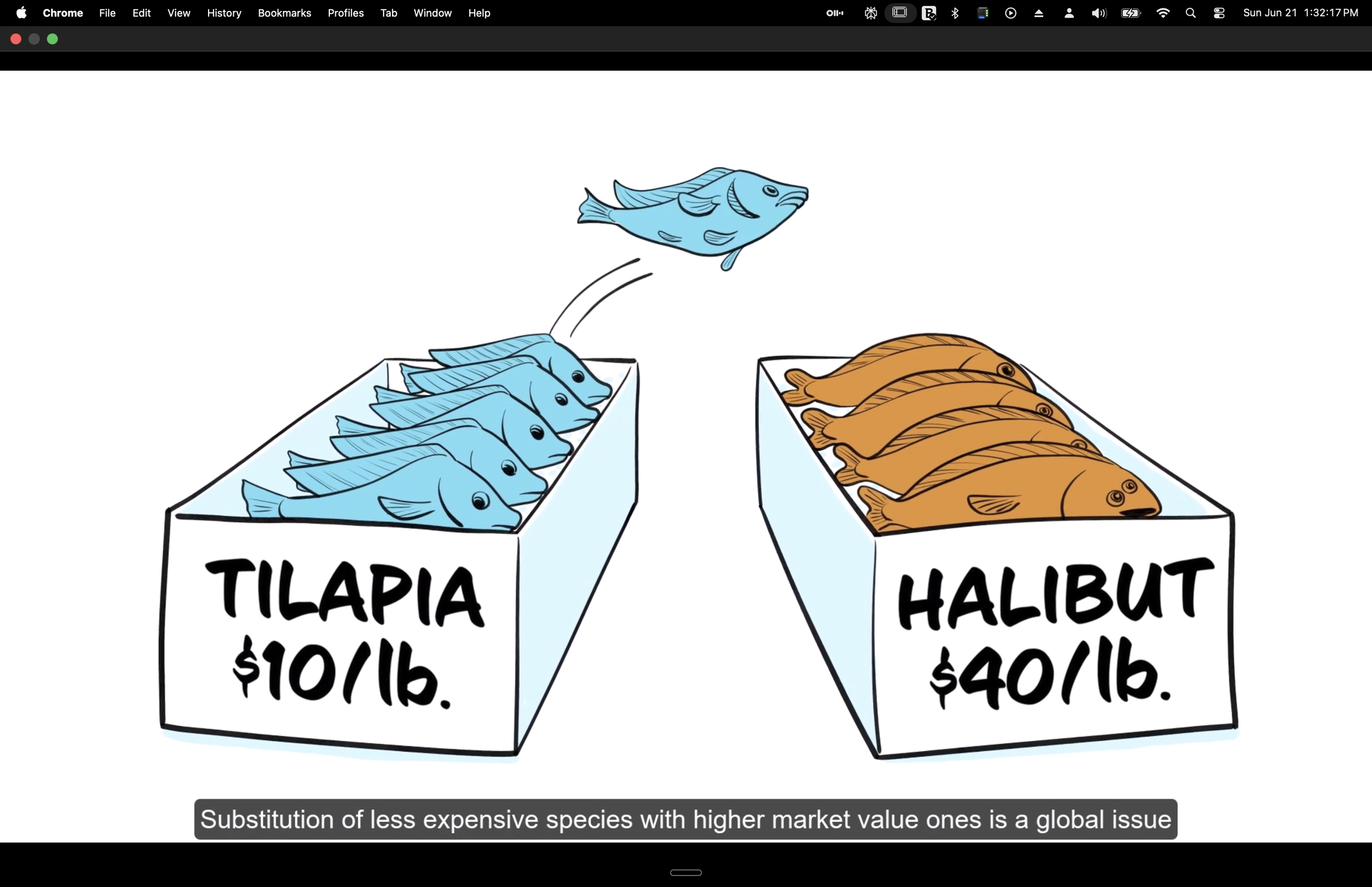
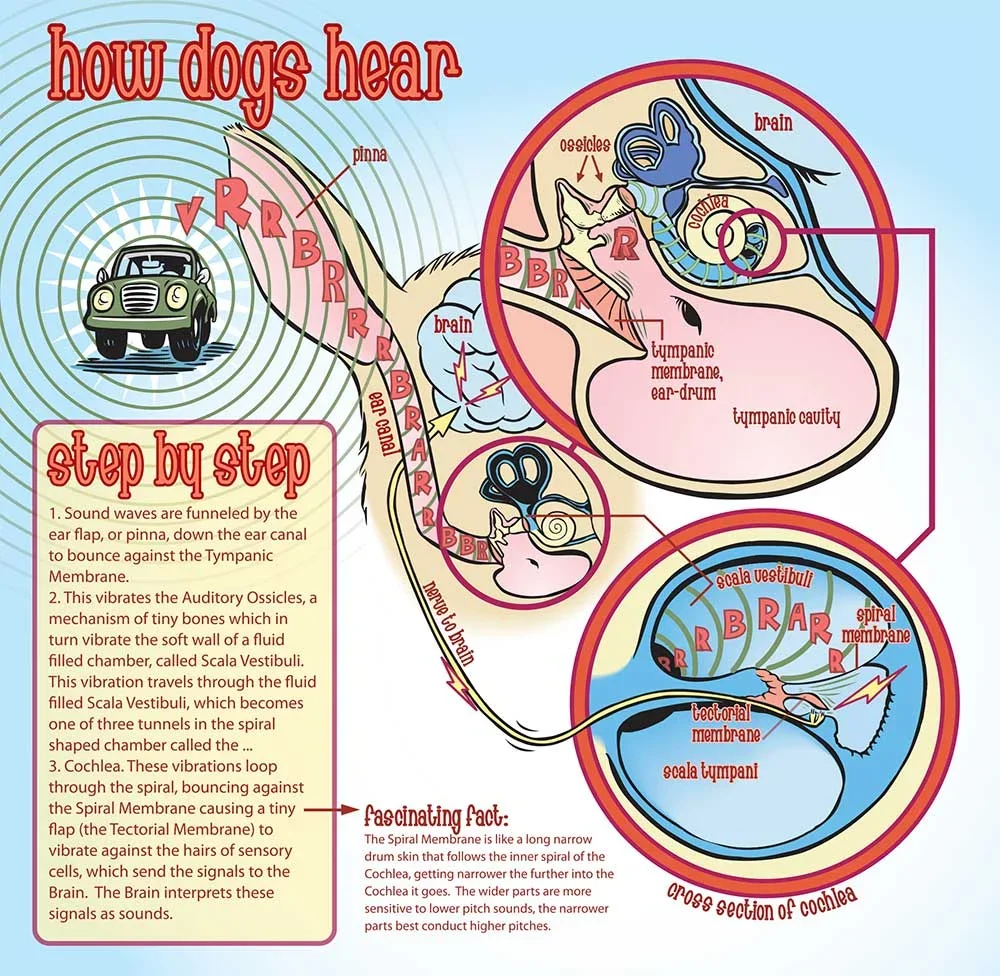
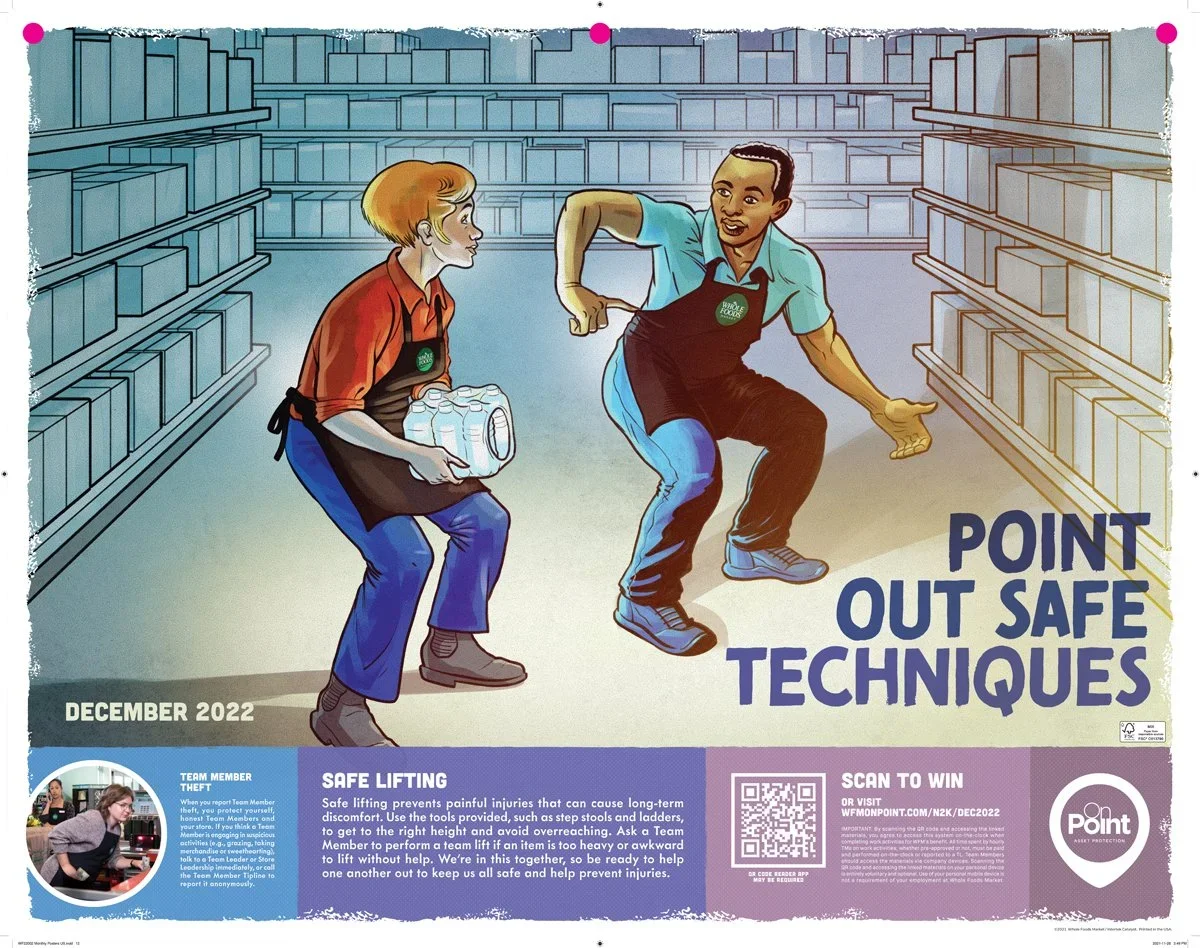
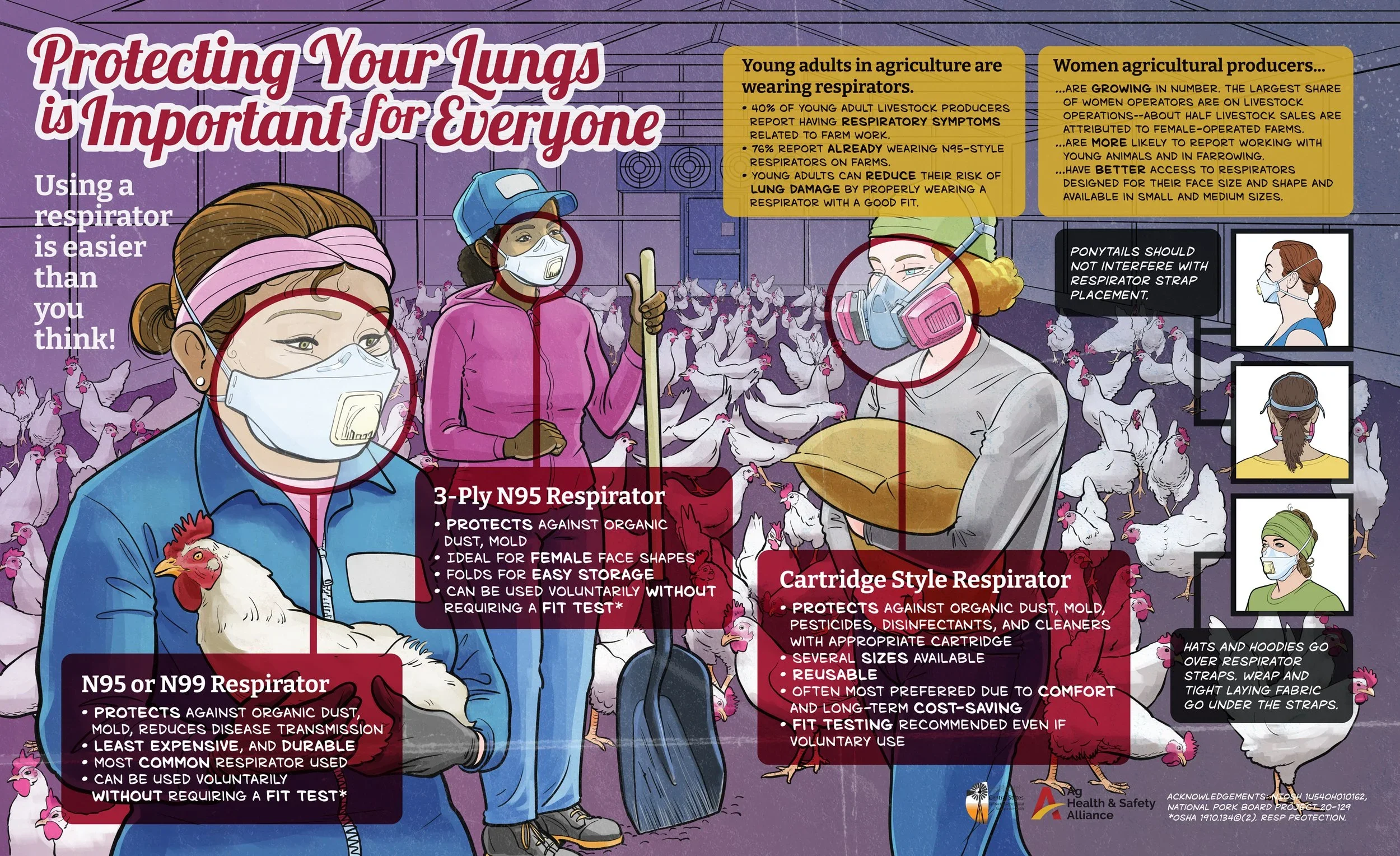
Complex research made visual
Scientific and social issues translated into accessible visual storytelling for public education. Health and Safety Videos, Infographics, Slides, Posters, etc. for University of Guelph, Dogs in Canada Magazine, Whole Foods, and Ag Health and Safety Alliance.
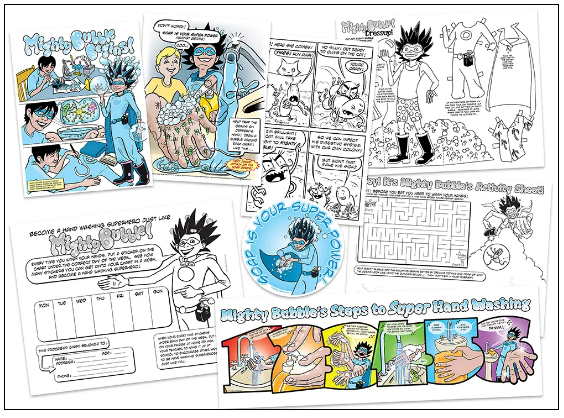
Behaviour-change communication
Character-based visuals designed to make a safety or learning message easier to remember and apply.The Mighty Bubble Hand Washing Inspiration Campaign: AECOM and HudBay. Comics, stickers, activity sheets, paper crafts, puzzles, magnets, live events, and social media. Inspired the kids in the community of Flin-Flon, Manitoba, to see soap as their superpower, keeping their hands clean and delighting in the creation of local hero characters.
How it works
1. Clarify the message
We identify the audience, the communication challenge, the desired outcome, and the core idea people need to understand.
2. Shape the visual approach
We choose the best way to make the idea visible. That might be a story, metaphor, map, diagram, character system, visual framework, campaign theme, or workshop tool.
3. Create the core visual assets
I develop sketches, concepts, layouts, and finished illustrations that form the foundation of the visual system.
4. Adapt the system
The core visuals are adapted into the formats your team needs most, such as slides, posters, cards, handouts, infographics, or video-ready assets.
5. Deliver the toolkit
You receive organized files and practical assets that can be used by your team, trainer, facilitator, agency, or communications department.
Experience
Scott Mooney has been creating educational illustration, story-based visual communication, and custom illustrated assets for organizations since 1994.
His work has supported training, safety, loss prevention, culture, public education, internal communications, marketing, employee engagement, and behaviour-change initiatives.
Past projects have included work connected to Whole Foods Market, The Home Depot Mexico, Columbia Sportswear, University of Guelph, Canadian Red Cross, City of Guelph, City of Cambridge, City of Burlington, Mercy for Animals, Ahold, NerdWallet, RWDI, OMAFRA, and The Natural Step Canada.
His work has also been recognized through multiple Communicator Awards for corporate communications, employee engagement, internal communications, and publicity campaigns.
Have a message people need to understand?
If your team has an important message that needs to be clearer, more memorable, and easier to use, the first step is a fit call.
Send a short note about what you are trying to explain, who needs to understand it, and where the message is getting stuck.
Book a fit call with the button above or email Scott directly at scott@moon-man.com with a short description of the message you need to explain.